


Žemaitijos nacionalinis parkas


Žemaitija National Park represents 70 percent of the country’s mammal fauna diversity, 50 different species call park territory their home. Of these, 8 are listed in the Lithuanian Red Data Book and 15 are protected species of European Community importance. Four species – American mink (Neogale vison), common raccoon dog (Nyctereutes procyonoides), muskrat (Ondatra zibethicus) and the brown rat (Rattus norvegicus) – are non-native and classified as invasive species.
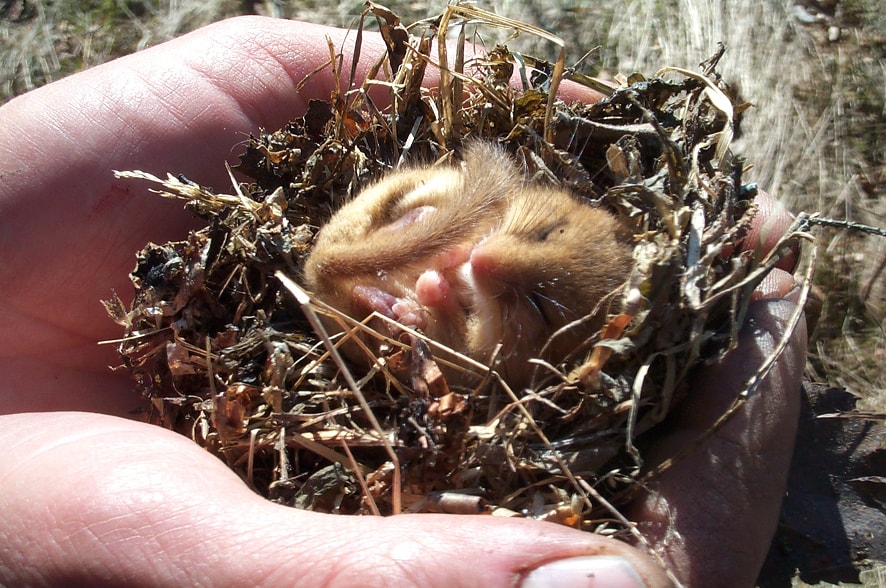
The most known species in the National Park are rodents, 16 species such as house (Mus musculus), striped field (Apodemus agrarius) and yellow-necked (Apodemus flavicollis) mice as well as bank (Clethrionomys glareolus), short-tailed field (Microtus agrestis) and european water (Arvicola amphibius) voles, and red squirrel (Sciurus vulgaris), and euroasian beaver (Castor fiber) are among the most commonly observed in the National Park. On the other hand, seeing hazel dormouse (Muscardinus avellanarius) or a northern birch mouse (Sicista betulina) would be special as these species are rare.
There are 12 species of carnivores, the most mysterious of which are the euroasian lynx (Lynx lynx) and the wolf (Canis lupus), their rare visits to the forests of the National Park can only be seen from the tracks they leave. The water bodies are home to euroasian otters (Lutra lutra) and american mink. In the forests, you can find small hills filled with holes – the homes of european badgers (Meles meles). These cave labyrinths are commonly visited and inhabited by red foxes (Vulpes vulpes) and raccoon dogs.
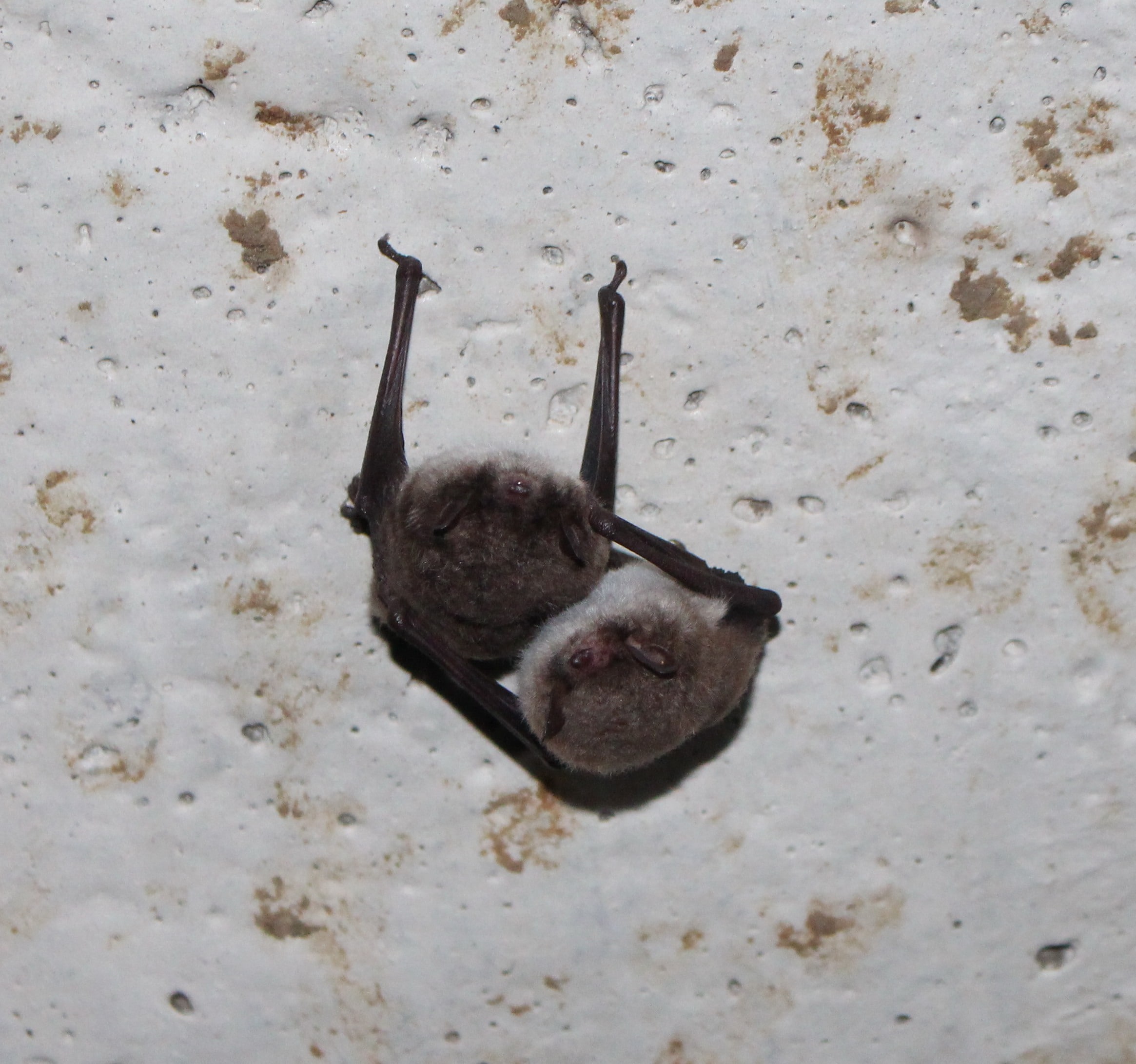
There are 11 species of flying mammals – bats. Some of the more common ones are the Nathusius’ pipistrelle (Pipistrellus nathusii), brown lon-eared (Plecotus auritus) bats, northern bats (Eptesicus nilssonii) and Daubenton’s bat (Myotis daubentonii). Bats can be found in the vicinity of humans, as well as in forests or near water bodies. Platelių Manor Park is a particular favourite of these animals, as there are many of the old hollow trees, where they settle and breed during the summer season. Some species hibernate, choosing cool cellars for their winter dens.
The forests of the park are home to not only european hares (Lepus europaeus), but also the protected snow hares (Lepus timidus). The latter change their coats to white before the winter season. When there is snow, it is especially challenging to spot this animal. The forests are also home to the usual mammal species found throughout the country: roe deer (Capreolus capreolus), red deer (Cervus elaphus), elk (Alces alces) and wild boar (Sus scrofa).


Žemaitijos nacionalinio parko direkcija.
Biudžetinė įstaiga. Didžioji g. 10, Plateliai, LT-90420 Plungės raj.
+370 448 49231
+370 448 49337
[email protected]
Zemaitija National Park Directorate
Didžioji str. 10, Plateliai, LT-90420, Plungės dstr., Lithuania
Įmonės kodas: 191440964
PVM mokėtojo kodas: LT914409610, duomenys kaupiami juridinių asmenų registre.
Steigėjas – Valstybinė saugomų teritorijų tarnyba prie Aplinkos ministerijos. Puslapio sukūrimas dalinai finansuotas Europos Sąjungos 2014–2020 m. Interreg V-A Pietų Baltijos bendradarbiavimo per sieną programos lėšomis.
Company code: 191440964
VAT code: LT914409610
The founder is the State Service of Protected Areas under the Ministry of Environment.
Website part-financed by the European Union 2014-2020. Interreg V-A South Baltic Cross Border Cooperation Program.
